Infrared saunas use radiant heat to warm the body directly at lower temperatures, offering a gentler, deeper heat penetration than traditional saunas, which heat the air to higher temperatures. This allows longer, more comfortable sessions while enhancing muscle recovery and pain relief.
Traditional saunas elevate heart rate and improve cardiovascular health through intense heat and sweating. Energy use and installation also differ, catering to various preferences and needs. Further details reveal how these factors impact user experience and benefits.
Heating Methods in Infrared vs. Traditional Saunas
When comparing heating methods, infrared saunas use infrared light to directly warm the body, whereas traditional saunas heat the air around the user. Infrared saunas emit radiant heat that penetrates the skin, promoting a gradual and deep warmth without markedly raising ambient temperature.
Traditional saunas rely on heated stones or electric heaters to increase air temperature, often reaching 150–190°F, creating an intense and enveloping heat. This difference affects the overall environment; infrared saunas typically operate at lower temperatures, offering a milder experience, while traditional saunas provide a hotter, more humid atmosphere.
These distinct heating approaches cater to different preferences, allowing individuals to select based on desired comfort and tolerance for heat intensity, thereby supporting personal freedom in wellness choices.
Comparing Health Benefits of Infrared and Traditional Saunas
How do the health benefits of infrared and traditional saunas compare? Both sauna types promote relaxation, improved circulation, and detoxification through sweating.
Infrared saunas use radiant heat to penetrate deeper into tissues, potentially enhancing muscle recovery and pain relief at lower temperatures.
Traditional saunas rely on high ambient heat and steam, which may better support cardiovascular conditioning by elevating heart rate and improving vascular function.
While far infrared sauna sessions tend to be longer due to milder heat, traditional saunas often induce intense sweating more quickly. Users seeking gentle heat with targeted benefits might prefer infrared saunas, whereas those wanting a vigorous cardiovascular challenge may favor traditional saunas.
Ultimately, both offer valuable health effects, and choice depends on individual goals and tolerance for heat intensity.

Comfort Differences Between Infrared and Traditional Saunas
Comfort levels between infrared and traditional saunas vary primarily due to differences in heat sensation and ambient environment. Infrared saunas emit radiant heat that warms the body directly without markedly raising air temperature, often resulting in a gentler experience.
In contrast, traditional saunas heat the air to higher temperatures, creating a more intense and enveloping warmth.
Heat Sensation Differences
What distinguishes the heat sensation between infrared and traditional saunas lies primarily in their methods of warming the body. Infrared saunas use radiant heat that directly warms the skin without notably raising the surrounding air temperature. Traditional saunas, conversely, heat the air, creating a hot environment that envelops the body.
Key distinctions in heat sensation include:
- Direct vs. Ambient Heating: Infrared heat penetrates more deeply, while traditional heat surrounds the body.
- Temperature Levels: Infrared saunas operate at lower temperatures (typically 120–140°F), whereas traditional saunas often reach 150–190°F.
- Perceived Comfort: Infrared users often report a gentler warmth, making longer sessions possible without discomfort, unlike the intense heat of traditional saunas.
These differences affect personal comfort and preference, offering users freedom to choose based on heat tolerance and desired experience.
Ambient Environment Impact
Regarding the ambient environment, infrared and traditional saunas create distinctly different atmospheres that influence user comfort. Traditional saunas heat the air to high temperatures, often between 150°F and 195°F, resulting in a hot, humid environment that can feel intense but deeply immersive.
In contrast, infrared saunas use radiant heat to warm the body directly, maintaining lower air temperatures, typically between 120°F and 140°F, producing a gentler, more tolerable atmosphere. This lower heat level allows users greater freedom to stay longer without overwhelming heat stress.
Those seeking a milder, less stifling experience may prefer infrared saunas, while individuals who enjoy intense heat and steam often choose traditional saunas. Each environment offers distinct comfort levels, catering to varied preferences and tolerance for heat intensity.
Which Sauna Is Best for Different Users
For individuals seeking a sauna experience tailored to their specific needs, the choice between infrared and traditional saunas often depends on factors such as health conditions, comfort preferences, and lifestyle.
Infrared saunas, operating at lower temperatures, suit those sensitive to heat or with respiratory issues, offering a gentler, prolonged session. Traditional saunas provide intense heat and steam, favored by users seeking a vigorous, classic experience, which may aid in muscle relaxation and social interaction.
Active individuals or those desiring rapid sweating might prefer traditional saunas, while those valuing energy efficiency and ease of installation often lean toward infrared models. Ultimately, user priorities—whether comfort, therapeutic goals, or convenience—shape which sauna type best aligns with their personal wellness journey.
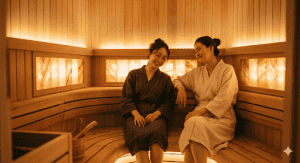
Choosing Between Infrared and Traditional Saunas
In evaluating the choice between infrared and traditional saunas, key considerations include the desired heat intensity, session duration, and individual health factors. Infrared saunas provide lower temperatures with direct heat absorption, allowing longer sessions and gentler warmth. Traditional saunas offer higher heat and humidity, creating an intense experience that some users prefer for quick, deep sweating.
Freedom in sauna use depends on personal preference and health:
- Infrared suits those seeking milder heat and extended relaxation.
- Traditional saunas fit those favoring strong heat and a social atmosphere.
- Health conditions like cardiovascular issues or heat sensitivity influence suitability.
For those leaning toward a gentler, recovery-focused option, resources such as https://www.revibe.my/infrared-sauna can offer more insight into infrared sauna experiences and how they may fit into a personal wellness routine.
Ultimately, selecting between infrared and traditional saunas involves balancing comfort, health status, and the desired sauna experience to maximize personal freedom in wellness choices.
Conclusion
Both infrared and traditional saunas offer unique wellness benefits through distinct heating methods. Infrared saunas provide direct, lower-temperature heat that may enhance comfort and energy efficiency, while traditional saunas deliver higher heat and humidity, supporting cardiovascular and respiratory benefits.
User preferences, health considerations, and installation needs ultimately guide the best choice. Understanding these differences enables individuals to select the sauna type that aligns most effectively with their personal relaxation and health goals.