A Day in the Life of Residents in Malaysian Elderly Homes
In the early morning light filtering through the windows of a well-maintained elderly home in Kuala Lumpur, residents begin their day with gentle assistance from trained caregivers. A typical resident, such as an 82-year-old retiree from Penang, might wake to the soft sounds of traditional Malay or Chinese music playing in the common areas, followed by help with personal hygiene and a nutritious breakfast featuring local favourites like porridge or wholemeal bread with eggs. This structured start sets a calm tone, allowing individuals to maintain dignity while receiving support tailored to their mobility and health needs. Related source: browse elderly home options at Seek Elderly Care.
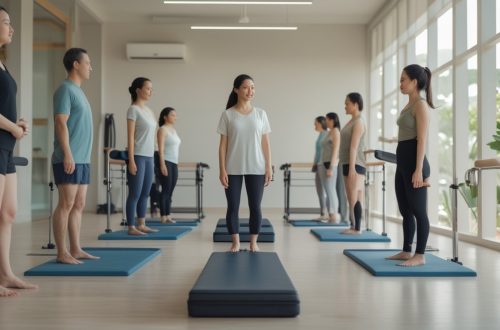
As the morning progresses, activities unfold in a balanced routine that blends rest with light engagement. Residents often participate in group exercises in shaded gardens or indoor halls, promoting physical wellness through simple stretches and walks. Midday brings lunch prepared with fresh ingredients common in Malaysian cuisine, after which many enjoy quiet reading, conversations with peers, or visits from family. Afternoons may include hobby sessions such as crafts or watching television programmes, while evenings wind down with dinner and medication rounds before bedtime. This day-in-the-life rhythm highlights how quality elderly homes in Malaysia prioritise safety, social connection, and cultural familiarity, creating an environment that feels supportive rather than institutional.
Comparing Options for Elderly Care Homes in Malaysia
Families seeking elderly home Malaysia options encounter a range of facilities that differ in ownership, amenities, staffing levels, and costs. Understanding these distinctions helps match a loved one’s requirements with the most suitable setting, whether the priority is medical oversight, affordability, or a homely atmosphere. Professional evaluations often draw from guidelines issued by the Ministry of Women, Family and Community Development, which oversees welfare standards for senior care.
Private Elderly Homes
Private elderly homes typically offer higher staff-to-resident ratios, modern facilities, and personalised care plans that may include physiotherapy, specialised diets, and recreational programmes. Located in urban areas such as Petaling Jaya or Johor Bahru, these homes often feature en-suite rooms, 24-hour nursing support, and air-conditioned common spaces. While monthly fees are higher, reflecting premium services and better privacy, they suit families wanting comprehensive medical monitoring for conditions like dementia or post-surgery recovery. According to industry observations compiled in reports aligned with national ageing policies, private facilities frequently maintain stricter hygiene protocols and offer multilingual staff to accommodate Malaysia’s diverse communities. Related source: dementia nursing home Malaysia.
Public and Government-Supported Facilities
Public and government-supported elderly homes provide essential care at lower or subsidised rates, making them accessible for families with limited budgets. These centres, sometimes operated under welfare departments or in partnership with non-governmental organisations, focus on basic daily living assistance, shared accommodation, and communal meals. A day in such a setting still includes structured routines similar to private homes, yet resources for specialised therapies may be more limited. They serve as reliable options for independent or semi-independent seniors who need secure housing and companionship, with oversight ensuring compliance with national care standards.
Specialised and Community-Based Care
Specialised homes cater to specific needs such as Alzheimer’s care or palliative support, while community-based models emphasise day-care programmes or smaller residential units integrated into neighbourhoods. These alternatives allow seniors to remain closer to familiar surroundings and family visits. Community options often incorporate cultural and religious activities, from prayer sessions to festive celebrations, fostering emotional well-being. When comparing, families weigh the intensity of medical services against the desire for a less formal environment, noting that hybrid models are increasingly available across Malaysian states.
Factors Influencing the Choice of Elderly Home
Selecting an elderly home in Malaysia requires careful comparison of location, staffing qualifications, licensing status, and the overall daily experience offered to residents. Proximity to family homes in cities like Penang, Ipoh, or Klang Valley often ranks high, as frequent visits strengthen emotional bonds. Prospective residents and relatives should examine sample daily schedules to confirm that routines include adequate stimulation, nutritious meals reflecting local tastes, and respectful personal care. Verified licensing from relevant authorities and transparent fee structures further guide informed decisions.
Ultimately, the most suitable choice balances practical needs with quality of life, ensuring that a typical day feels purposeful and comfortable. Families are encouraged to arrange trial visits, speak with current residents, and review care protocols. Drawing on established frameworks from Malaysian social welfare bodies and international ageing research, such as those referenced in United Nations population reports on Asia-Pacific senior care, decision-makers can identify facilities that deliver both safety and a sense of belonging for their elderly loved ones.