What Medical Booth Design Means for You
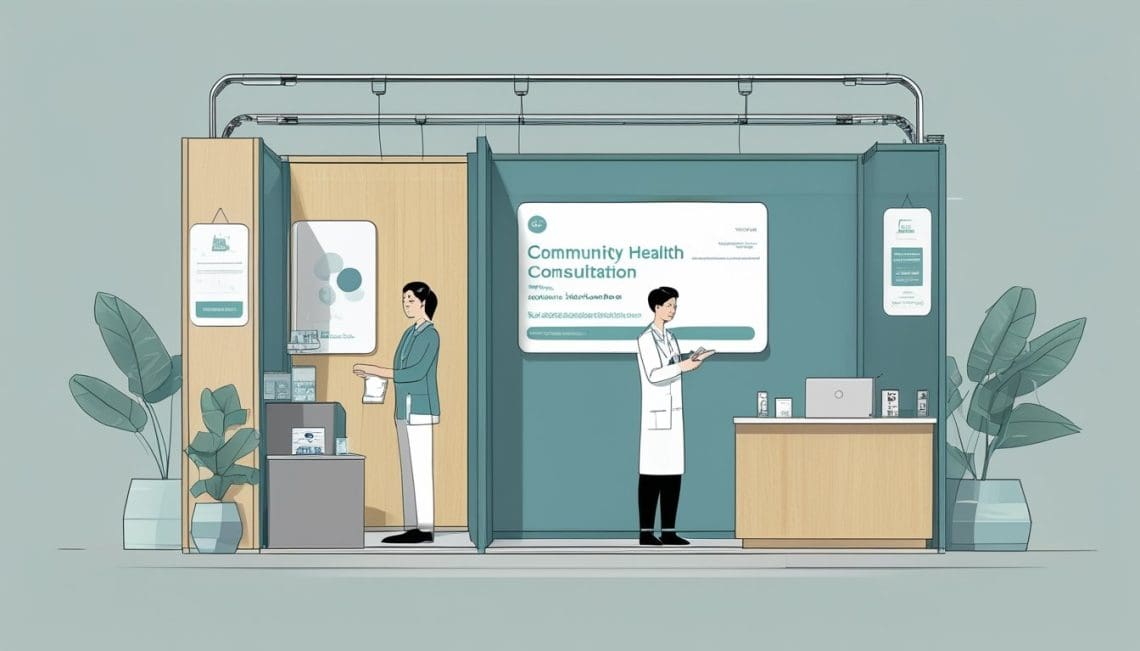
Medical booth design is the thoughtful planning of a small healthcare space so it feels welcoming, works efficiently, and supports safe patient flow. Whether you are preparing a clinic booth, a screening station, or a temporary health exhibition setup, good design helps you make a strong first impression while keeping people comfortable and organised.
At its best, medical booth design balances function and appearance. You want enough privacy for conversations, clear movement for staff and visitors, and a clean visual identity that reflects trust. At the same time, every choice brings trade-offs, so it helps to look at both the advantages and the limitations before you begin.
Why Medical Booth Design Matters
When you design a medical booth well, you are doing more than arranging furniture. You are shaping how people feel the moment they approach the space. A tidy, clear, and professional booth can reduce anxiety, improve engagement, and make basic processes smoother for everyone involved. Related source: Upstage Expo.
This matters because medical settings often make people feel cautious. If your booth looks confusing or cramped, visitors may hesitate to enter or speak openly. A well-planned setup can make your service feel approachable, which is especially important in public events, corporate health checks, community screenings, and short-term healthcare campaigns.
Key Elements You Need to Plan
Layout and Workflow
Your layout should support a simple flow from entry to consultation to exit. If people can move naturally without crossing paths too much, you reduce congestion and create a calmer experience. The layout should also give staff enough room to work without feeling boxed in.
A good workflow is one of the biggest strengths of effective medical booth design, but it can also be challenging in small spaces. You may need to make practical compromises, such as using compact furniture or multi-purpose stations.
Privacy and Comfort
Privacy is important even in a temporary booth. Screens, partitions, and smart placement of seating can help visitors feel more comfortable discussing personal matters. Soft lighting and clean finishes also contribute to a more reassuring atmosphere.
The advantage is clear: better privacy builds trust. The limitation is that more privacy solutions can take up space, which may be difficult if your booth footprint is small. You need to choose carefully so the space still feels open enough for safe operation.
Branding and Visual Clarity
Your booth should look instantly understandable. Clear signage, calm colours, and consistent branding help people recognise what the space is for. This is especially useful at busy events where visitors may only glance at your booth for a few seconds.
Strong visual clarity is a major benefit because it helps guide people without confusion. However, too many design elements can make the booth feel crowded or overly commercial, which may work against the professional image you want to create.
Pros of Good Medical Booth Design
One of the biggest pros is improved patient or visitor confidence. When a booth appears organised and professional, people are more likely to approach it and engage with the service. That first sense of reassurance can make a meaningful difference in healthcare communication.
Another benefit is operational efficiency. A carefully planned booth helps staff complete tasks faster, keeps materials within reach, and reduces avoidable movement. In a busy environment, that efficiency can save time and lower stress.
Good design also supports consistency. If you are using the booth for repeated events, a well-structured setup is easier to reproduce, adapt, and maintain. Over time, that can help you build a dependable and polished presence.
Cons of Medical Booth Design
One common drawback is cost. High-quality materials, custom branding, privacy features, and ergonomic furniture can increase the budget quickly. If you are working with limited resources, you may need to prioritise only the most essential features.
Space limitations are another challenge. A booth that is too small may feel crowded, while trying to include too many functions can make it awkward to use. You may need to sacrifice some design ideas to keep the booth practical and safe.
There is also the issue of setup and maintenance. A design that looks attractive on paper may require more time to assemble, clean, or transport. If you are using the booth frequently, convenience should matter just as much as appearance.
How to Balance Function and Appearance
The most successful medical booth design is usually the one that keeps things simple. Start with the core purpose of the booth, then build around that purpose with just enough visual polish to feel professional. This approach helps you avoid unnecessary clutter while still creating a pleasant experience.
You should also think in terms of priorities. Privacy, safety, accessibility, and workflow should come first, followed by visual details that support your brand. When you make design decisions in that order, the booth is more likely to work well in real use, not just look good in photos.
Practical Tips for Beginners
If you are new to medical booth design, begin with a clear floor plan and a simple checklist. Decide where people will enter, sit, wait, and leave. Then identify the minimum equipment and storage you need so the booth remains tidy throughout the day.
It also helps to test the booth before the event. Walking through the setup with a colleague can reveal small problems, such as blocked pathways, awkward seating, or poor sign visibility. These small checks can make your final result much stronger and more professional.
Making the Right Choice for Your Booth
Medical booth design works best when you treat it as a balance of pros and cons rather than a purely visual project. A beautiful booth that is hard to use will create problems, while a practical booth that feels cold or unclear may discourage people from engaging.
If you keep your audience, space, and purpose in mind, you can create a booth that feels both efficient and welcoming. That combination helps you present your services with confidence and gives visitors a better experience from the moment they arrive.